
about
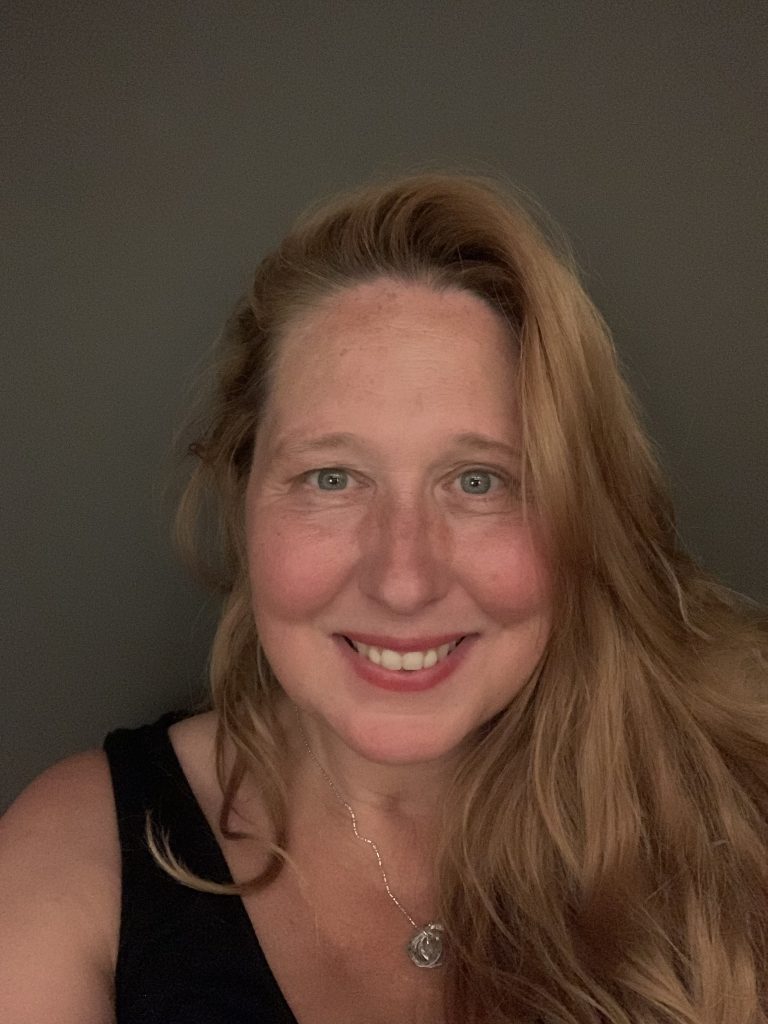
Hello, I’m Chelsea McKinnon.
I am a CBT and trauma informed psychotherapist based in Stirling with a passion for helping others heal from their trauma wounds and recover or discover their true selves. Exposure in our childhoods can lead us through a life unexamined and full of repetitive patterns. Even after we realise these patterns it can be so difficult to change our thinking and behaviours. I can help you go from surviving to thriving.
I have specialist training working with neurodivergent clients. The many ways we learn to adapt and survive in a neurotypical world can become exhausting and overwhelming. With me, you can allow the mask to fall away so that you can be your true Self and explore all the diverse parts of yourself that are seeking love and acceptance.
I was a theatre director for 20 years before training as a psychotherapist. Creating new work with actors based on their needs and creative expression encouraged me to go further to explore the creative spirit that lives within us all. If you are an artist looking for a therapist that can understand how much this aspect of yourself needs to be understood, I can help.
While CBT is my foundation, my work is client centered and based on what you, the client, needs. Alongside my psychotherapy training, I am also a theatre director, orchardist and keen gardener and naturalist. These parts of my life deeply inform how I understand healing—as something that is not only cognitive, but embodied, relational, creative, and connected to the natural world.
Philosophy
I believe that healing happens when we feel safe enough to be as we are, explore what has been difficult, and reconnect with parts of ourselves that may have been hidden or protected.
Much like tending an orchard, this work is not about forcing change, but about creating the right conditions for growth. By learning about your nervous system and what works for you to feel safe in your own body, you’ll develop an inner wisdom to help you with the past and carve out the future that you want to live.
My work is grounded in a trauma-informed practice using Parts work (including Internal Family Systems-informed approaches), Neurodivergent-affirming therapy, Nature-based therapy (including Walk and Talk sessions and Forest Therapy), as well as creative and expressive arts approaches.
Academic Qualifications and Professional Organisations
- BA in Psychology and Theatre Studies from Emory University, Atlanta, GA
- MFA in Directing Theatre from Louisiana State University, Baton Rouge, LA
- COSCA Counselling Skills Certificate, Glasgow, Scotland
- SCOTACS Diploma in Counselling and Groupwork, A Cognitive Behavioural Approach, The Centre of Therapy and Counselling Studies, Glasgow, Scotland
- Member BABCP: membership no.1022363
- Registered Member BACP, registration no. 407913
- PVG Certified to work with vulnerable people and children
- ICO data protection member: reference no. ZB697677
- CPD certificates and trainings in: Adverse Childhood Experiences (ACEs), CBT for ADHD, Creative Arts in Counselling, Attachment Theory, Understanding and Working with Attachment Styles, Autism Masking, Counselling Autistic Clients, Working with Autism, Certified Autism Specialist Training, Capacitar training, CBT and Insomnia, Healing the Inner Child, Suicide and Self-harm training, Vicarious Trauma and Self-care, Working with Trauma, CFT for Trauma, Child Protection training, Chronic Illness, Community Climate Coaching, De-escalation of Hostile or Challenging Behaviour, Working with Eating Disorders, Eating Disorders, Disordered Eating and Neurodivergence, Ecotherapy: Walk and Talk Therapy, EMDR and Parts Work for treating Complex Trauma, Bereavement Awareness, Children and Loss, Grief and Bereavement, Decider Skills training, Healing the Wounds of Trauma, Menopause Coaching Certificate, Advanced Master Program on the Treament of Trauma with NICABM, Couples Therapy, Domestic Violence, Nutrition and Poverty, Shame, Secrets of Spirituality, Trauma Skills Practice (NHS), Trauma Skills Practice: Children and Young People (NHS), Working Online in the Counselling Professions (BACP), Working with Young People, The Teenage Brain, Working with Children in Therapy, Working with Trauma including Traumatic Grief
Certificates are available upon request.
Please get in touch.
How I Work
My core principles are:
- All parts are welcome – nothing about you is “too much”
- Collaboration – we work together, not “on” you
- Flexibility – therapy adapts to you
- Safety first – we go at your pace
- Guidance – I hold the space, you do the work
- Creativity – Together we’ll scope out the path forward and creativity is always welcome in any form
- Curiosity and Compassion – all parts of you are welcome
There is no expectation to be a certain way here. All parts of you are welcome and accepted.
Modalities explained simply
Trauma therapy for PTSD and C-PTSD
I provide you with a safe, empowering environment that recognises the impact that trauma(s) has had on your life. Once we are in a trusting relationship, we can focus on stability, coping skills, and healing without re-traumatisation. I can help you process difficult memories at your own pace, investigate how to regulate your emotions, and rebuild trust.
I prioritise physical and emotional safety, helping you to manage your current symptoms by building upon coping skills before diving into painful memories. When and if we do address your specific trauma memories, I will ensure that you are not overwhelmed. We’ll go at your pace. Some people never remember all/any of their childhood traumas. Some people live with them daily. If you’ve ever experienced coercion, we’ll restore your sense of control through collaborative decision-making and empowerment. We’ll look at past relationships and attachments and examine how they are influencing the relationships in your life now. I can help you to process your trauma safely with CBT (Cognitive Behavioural Therapy), Internal Family Systems (IFS), Parts work, Polyvagal Theory techniques that address the somatic impact of trauma, and other strategies to help reduce the power of your traumatic memories. Using trauma specific grounding exercises and mindfulness techniques aimed at connecting the mind and body, I will help you to build a personalised toolbox of mental health first aids to manage flashbacks, anxiety and emotional dysregulation. I want to help you move from a state of constant survival to a place of safety, resilience, and recovery.
Trauma is a normal response to abnormal events. It’s not about who you are but what happened to you, and what happened to you is not who you are.
Neurodivergent-affirming therapy
This is a space where your way of experiencing the world is understood and respected—not pathologised. As a neurodivergent-affirming therapist, I offer care and understanding for your unique brain functioning. I’m not trying to “fix” or normalise your experience of the world. I foster a safe, judgment-free space to heal from internalised shame, help reduce masking-related burnout, and build your self-advocacy skills while focusing on your strengths and specific accommodations. I see your sensory sensitivities and/or unique communication styles as neutral differences rather than disorders and I understand the long-term burnout from trying to fit into a neurotypical world. Whether you are recently diagnosed or self-identified, I can help you understand your identity and experiences, focusing on building your self-esteem and self-acceptance.
I understand specific challenges related to ADHD and/or Autism, such as executive functioning, sensory overload, and social communication so you do not ever need to feel like you must explain or justify your uniqueness. Together we can identify your particular needs to help support you in your daily life. I am happy for you to use/explore stimming aids and alternative communication methods. We can explore how to recognise both societal and internalised ableism allowing you to develop a more empowering self-view.
I honour sensory differences and am here to accommodate them. Please feel free to express your needs at any time. I am open to and want to support you in any way that you find most comforting.
Nature-based therapy
Time outdoors can support grounding, regulation, and a different kind of perspective. Many people choose nature-based therapy to help reduce stress, anxiety and depression by engaging with the natural world in a therapeutic way. Being outdoors with a therapist is a less formal, more active alternative that can allow for deeper reflection and connection. Research indicates that nature-based therapy effectively
decreases depression, anxiety and stress while improving mood. A natural setting can help boost self-esteem and increase self-awareness. It is particularly helpful for people who feel “stuck” in traditional therapy or who have had negative experiences with indoor counselling.
In Walk and Talk Therapy, we walk side-by-side, reducing the pressure of eye contact, if that is something that is difficult for you (although I do not mind reduced eye contact while sitting directly across from one another as well). The physical action of walking can help release tension and make it easier to talk about difficult subjects. People with social anxieties or ADHD might find this an effective option as
the focus is constantly shifting from the surroundings to the conversation.
Forest Therapy focuses on slowing down in nature and wandering while engaging all five senses in the natural environment. It significantly reduces the stress hormone, cortisol, and can be used as a way to clear mental fog, improve memory and boost creativity. Being in nature and using creative ways to tap into your mental health can be an antidote to modern life, boosting immune function and lowering
blood pressure by exposing yourself to the phytoncides (airborne, antimicrobial volatile organic compounds released by trees and plants) found in nature.
“Those who contemplate the beauty of the earth find reserves of strength that will endure as long as life lasts. There is something infinitely healing in the repeated refrains of nature – the assurance that dawn comes after night, and spring after winter.”
– Rachel Carson
Expressive Arts Therapy
Sometimes words aren’t enough and creative approaches can help you explore identity, express emotions, and experience change in a more embodied way. If you would like to address your unique psychological, emotional or professional pressures inherent in an artistic career, I have an understanding of creative-based work, including theatre, writing, and visual arts that gives me insight to the creative process to help you navigate challenges like creative blocks, intense self-doubt, and the vulnerability required to share work publicly.
Fear of failure and perfectionism can become mental blocks for artists and writers that can stifle creativity. For performers, performance anxiety and stage fright can do the same. I can offer techniques to manage intense anxiety, enhance your confidence and reduce the pressure. Feelings of inadequacy and imposter syndrome are common in highly competitive creative industries, and I offer a place of understanding and acceptance that will allow you to process your emotions through creative expression, tearing down the walls that are holding you back.
For both professionals and artists of any level, we can use art, drama, or writing to express feelings that are too difficult to put into words, allowing us to go deeper into the subconscious. You can bring a current project or use tools such as drawing, movement, metaphor, and symbolism as we explore complex personal issues in your work or life.
I understand the exhaustion, insecurity, and financial instability that can lead to artistic burnout. I can help you learn to navigate feelings of rejection and how to handle critical feedback in the highs and lows of a project-based career, reigniting your passion and rebuilding your connection to the joy of your craft. We do this using creative techniques that are tailored to your individual needs and include
therapeutic processes such as CBT (Cognitive Behavioural Therapy), Parts work (Internal Family Systems, inner child, etc.), and narrative therapy (rewriting your story) to rewire negative thought patterns about your creative work.
Note: You do not need to be “skilled” in art to benefit from this type of therapy. The focus is on the therapeutic process of creation rather than the aesthetic result.